casino online video poker — tendencias que marcarán 2026
casino online video poker no es solo un juego de cartas, sino un ejercicio mental que combina lógica, intuición y control emocional. La popularidad de esta disciplina ha crecido exponencialmente, y con ella, la necesidad de información precisa y actualizada. En este artículo, revisamos las últimas novedades y analizamos la influencia de video poker apuestas en el rendimiento de los jugadores.
Ver también:
- Resumen general y video poker reglas
- casino online video poker en Cifras: Datos Clave
- Bonos y Términos de Póker en casino online video poker
- Galería de casino online video poker
- Tutorial básico: integra video poker online españa en tu estrategia inicial
- ¿Son seguros los video poker reglas?
- Señales de advertencia del juego problemático en casino online video poker
Resumen general y video poker reglas
Póker Challenge: A Comprehensive Guide to Mastering the Game
marca apuestas — estrategias ganadoras | marca apuestas casino
Póker, a game of skill, strategy, and psychological warfare, has captivated players for centuries. From smoky backrooms to glamorous casinos and now to the digital realm, the challenge of outwitting opponents and mastering the odds remains timeless. This guide delves into every aspect of the game, from fundamental rules to advanced tactics, bankroll management, and the mental fortitude required to succeed. Whether you’re a novice looking to learn the basics or a seasoned player aiming to refine your edge, this comprehensive exploration will equip you with the knowledge to elevate your game.
Understanding the Basics: Rules and Hand Rankings
casino black jack 2026 — black jack casino torneos
Before diving into strategy, one must grasp the foundational elements. Poker is played with a standard 52-card deck, and the most popular variant, Texas Hold’em, involves each player receiving two private cards (hole cards) and five community cards dealt face-up in stages: the flop (three cards), the turn (one card), and the river (one card). Players combine their hole cards with the community cards to form the best possible five-card hand. The hand rankings, from highest to lowest, are: Royal Flush (Ace-high straight flush), Straight Flush (five consecutive cards of the same suit), Four of a Kind, Full House (three of a kind plus a pair), Flush (five cards of the same suit, not in sequence), Straight (five consecutive cards of mixed suits), Three of a Kind, Two Pair, One Pair, and High Card. Understanding these rankings is non-negotiable, as every decision hinges on evaluating hand strength relative to opponents’ possible holdings.
The Flow of a Hand: Betting Rounds and Actions
Each hand begins with two forced bets: the small blind and the big blind, which ensure there’s something to play for. Players then receive their hole cards and must decide to fold (discard their hand), call (match the current bet), raise (increase the bet), or check (pass the action without betting, only possible if no bet has been made). The betting rounds occur pre-flop, after the flop, after the turn, and after the river. The action proceeds clockwise, and the player who makes the last aggressive action (bet or raise) may be faced with re-raises. The goal is not just to have the best hand but to win the pot through a combination of superior hand strength and strategic betting that forces opponents to fold. In a showdown, if more than one player remains after the final betting round, they reveal their cards, and the best hand takes the pot. However, a player can win without showing cards by betting aggressively enough to make all opponents fold.
Position and Its Strategic Importance
Position is arguably the most critical concept in poker. Players who act later in each betting round have more information because they’ve seen how opponents have acted. The dealer button rotates clockwise, and the two players to the left are the blinds. The early positions (under the gun and the blinds) are at a disadvantage because they must act without knowing what others will do. The late positions (button and cutoff) are advantageous, allowing players to play a wider range of hands profitably. For example, a player in the cutoff can raise with a speculative hand like 7-8 suited if everyone has folded, aiming to steal the blinds. Conversely, an early-position player must tighten their range, only playing premium hands like high pairs or strong suited aces, because they risk being raised by later players. Mastering position means adjusting your hand selection and aggression based on where you sit relative to the dealer, a skill that separates amateurs from professionals.
casino reviews 2026 — casino reviews de métodos de pago
Starting Hand Selection: The Foundation of Pre-Flop Play
Choosing which hands to play is the first major decision. A common framework is to categorize hands into tiers. Premium hands: AA, KK, QQ, AK (suited or offsuit), and sometimes JJ. These should always be raised or re-raised to build the pot and narrow the field. Strong hands: TT, 99, AQ, AJ, KQ, and suited connectors like J-T or T-9. These can be played in late position or with limpers, but should be cautious if facing aggression. Speculative hands: small pairs (22-77), suited aces (A-2s to A-5s), and suited connectors (5-6s through 9-Ts). These are best played in position for a cheap price, hoping to hit a strong flop (set, flush, or straight draw). Trash hands like 7-2 offsuit should be folded almost always, unless you’re in the big blind and can check for free. The exact range expands or contracts based on position, stack depth, and opponent tendencies. For example, in a short-handed game (6 players or less), you can play more hands because the blinds come around faster, and opponents are forced to defend wider.
Betting Strategies: Aggression, Sizing, and Bluffing
Poker is a game of aggression. Passive players who only call or check are easily exploited because they rarely put pressure on opponents. The key is to bet and raise with both strong hands (for value) and weak hands (as bluffs), creating a balanced range that’s hard to read. Bet sizing is crucial: a standard continuation bet (c-bet) after raising pre-flop is often 50-75% of the pot. A larger bet (pot-sized or more) may indicate strength or a desire to protect your hand, while a smaller bet (25-50%) can be used to control pot size or induce calls. Bluffing is not just about representing a strong hand; it’s about telling a consistent story. For instance, if you raise pre-flop, c-bet on a dry flop (like K-7-2 rainbow), and then bet again on the turn when a blank hits, you’re representing a strong king. However, bluffs work best against tight opponents who fold too often, and you should avoid bluffing calling stations who never fold. Semi-bluffing with a drawing hand (like a flush draw) is powerful because you have two ways to win: your opponent folds, or you hit your draw and win a bigger pot. Always consider the pot odds and implied odds—if you’re drawing, you need to know what you’ll win if you hit versus what it costs to continue.
Reading Opponents: Tells, Patterns, and Adjustments
While online poker removes physical tells, live play offers subtle cues: nervous twitches, breathing patterns, chip handling, and eye movements. But more reliable are betting patterns. Does a player raise big with strong hands and limp with weak ones? Do they c-bet too often or not enough? Do they fold to pressure on the river? These tendencies create exploitable patterns. For example, a tight player who suddenly raises on the river likely has a monster, so you should fold your one-pair hand. Conversely, a loose-aggressive player (LAG) may be bluffing frequently, so you can call them down with medium-strength hands. The key is to observe, categorize, and adjust. If you’re playing against a nit (tight-passive), you can steal blinds relentlessly. Against a maniac (loose-aggressive), you should tighten up and let them bluff into your strong hands. Also, pay attention to bet timing online—a quick bet often indicates weakness (they’ve decided to bluff), while a delayed bet may be a deliberate act. Always take notes on opponents to build a profile, and be aware that skilled players will also be reading you, so vary your play to avoid becoming predictable.
Pot Odds, Equity, and Expected Value
Mathematical decision-making is the backbone of profitable poker. Pot odds compare the current pot size to the cost of a call. If the pot is $100 and you must call $20, you’re getting 5:1 odds, meaning you need to win at least 1 in 6 times (16.7%) to break even. If your hand has a 20% chance of winning (e.g., a flush draw with one card to come), the call is profitable in the long run. Equity is your percentage chance of winning the pot at a given moment. You can calculate rough equity using the rule of 2 and 4: with two cards to come, multiply your outs by 4; with one card to come, multiply by 2. Outs are cards that improve your hand. For example, a flush draw has 9 outs, so with two cards to come, you have roughly 36% equity.
casino online video poker en Cifras: Datos Clave
| Feature | Details |
|---|---|
| Requiere verificación | Verificación KYC en 24h |
| Idiomas | Español, inglés, y otros |
| Juegos destacados | Sugar Rush |
| Retiro máximo | €5,000/día |
| Casino en vivo | Con más de 100 mesas |
Bonos y Términos de Póker en casino online video poker
- 200% + 500 giros gratis
- bono de 150% para tu primer depósito
- €1500 extra en tu primer depósito
- 40x apuesta requerida
- 50x playthrough en 14 días
- 30x juego en 7 días
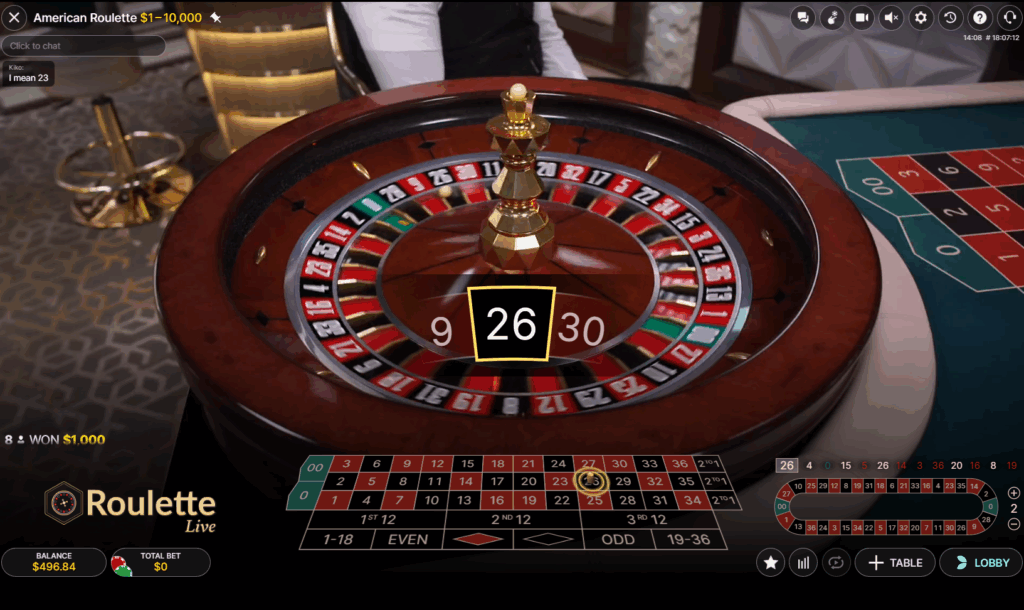
Galería de casino online video poker
Tutorial básico: integra video poker online españa en tu estrategia inicial
casino online video poker garantiza que todas las transacciones sean procesadas de forma confidencial.
¿Son seguros los video poker reglas?
¿Está casino online video poker legalmente autorizado para operar?
Sí, casino online video poker opera bajo una licencia de DGOJ — Dirección General de Ordenación del Juego, lo que garantiza un entorno seguro y regulado para todos los jugadores.
¿Qué tipo de bono de bienvenida ofrece casino online video poker?
casino online video poker ofrece un bono de bienvenida de 20 giros gratis adicionales para nuevos jugadores, sujeto a un requisito de apuesta de 30x requisito de apuesta.
¿Cuál es el depósito mínimo requerido en casino online video poker?
El depósito mínimo para comenzar a jugar en casino online video poker es de €15, lo que permite a los jugadores empezar con una cantidad accesible.
¿Cómo puedo retirar mis ganancias en casino online video poker?
Puedes retirar tus ganancias a través de los métodos de pago disponibles en casino online video poker, como tarjetas de crédito, monederos electrónicos y transferencias bancarias.
¿Existen torneos de póker en casino online video poker?
Sí, casino online video poker organiza regularmente torneos de póker con diferentes formatos y niveles de entrada, adecuados tanto para principiantes como para jugadores experimentados.
Señales de advertencia del juego problemático en casino online video poker
El juego está destinado exclusivamente a mayores de 18 años. casino online video poker opera bajo la supervisión de la Dirección General de Ordenación del Juego (DGOJ) en España, y promovemos el juego responsable. Si sientes que pierdes el control, puedes inscribirte en el Registro General de Interdicciones de Acceso al Juego (RGIAJ) para autoexcluirte. Para ayuda y orientación, contacta con FEJAR en el 900 200 225 o visita jugarBIEN.es. Te recomendamos establecer límites de depósito y tiempo, y jugar siempre como entretenimiento, nunca para recuperar pérdidas. Disfruta del juego con moderación.